Features:
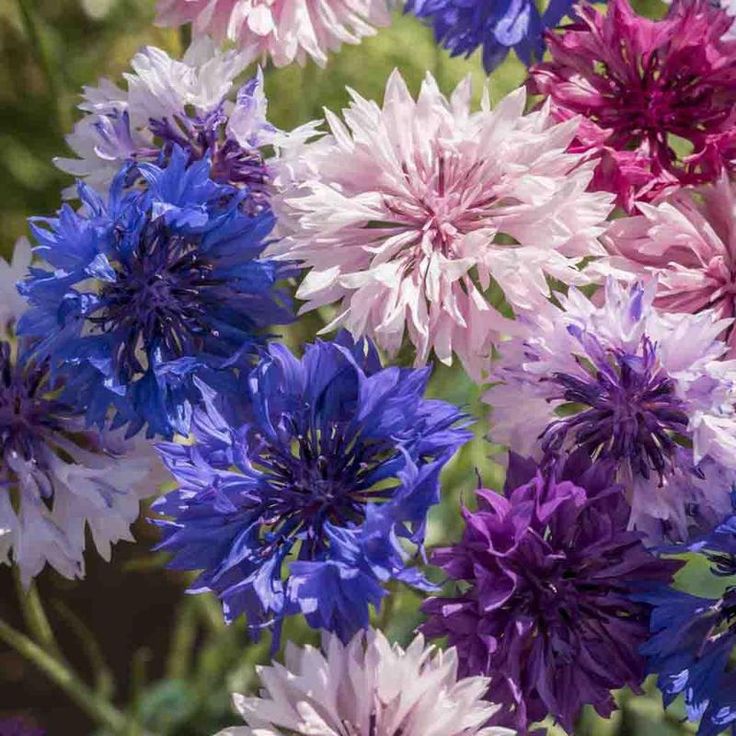
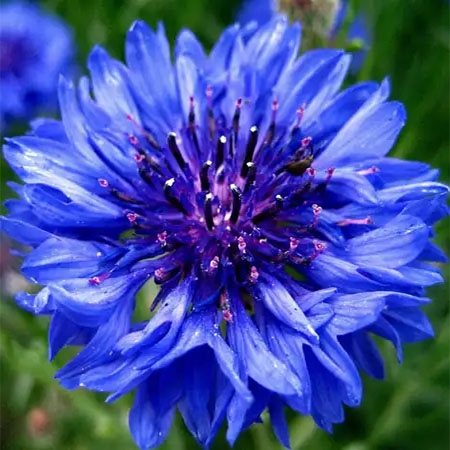
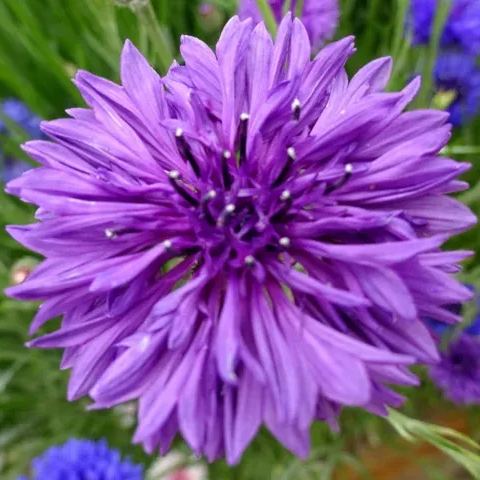
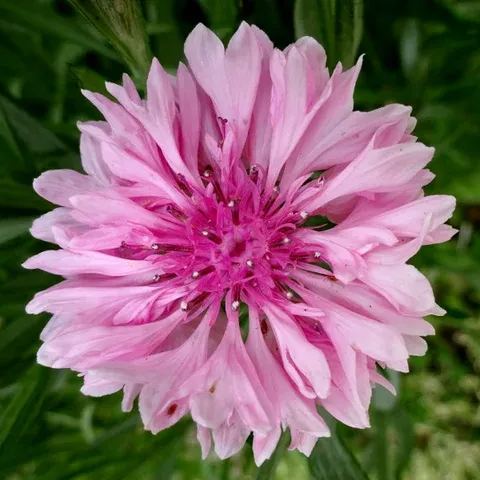
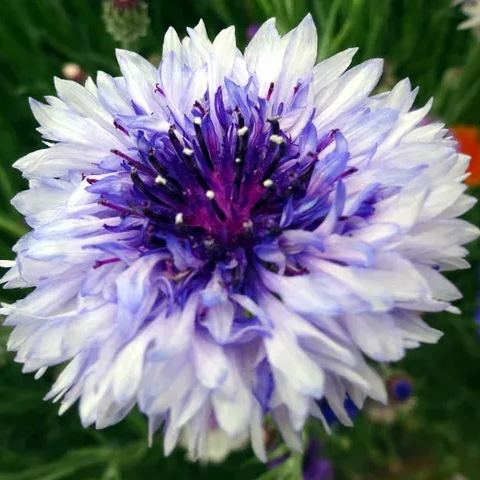
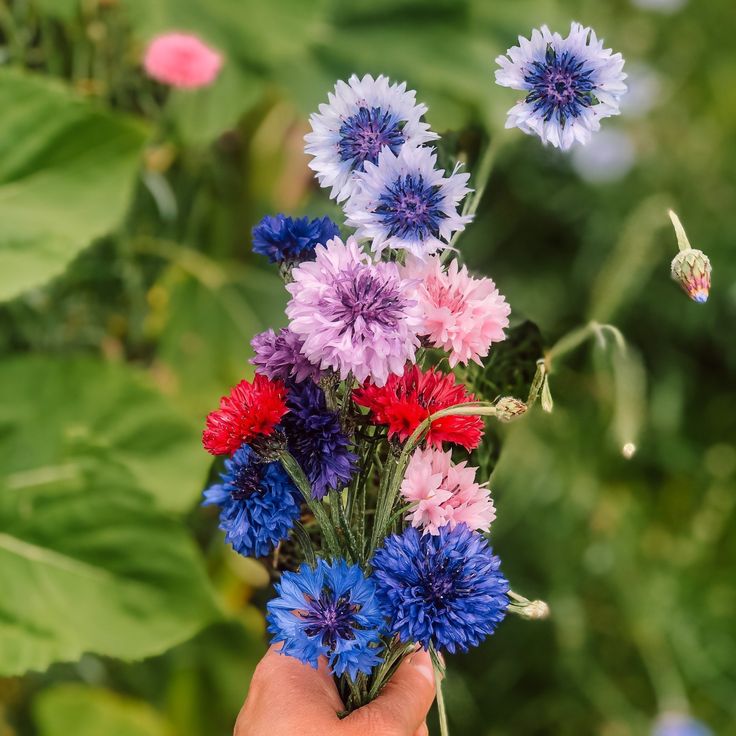
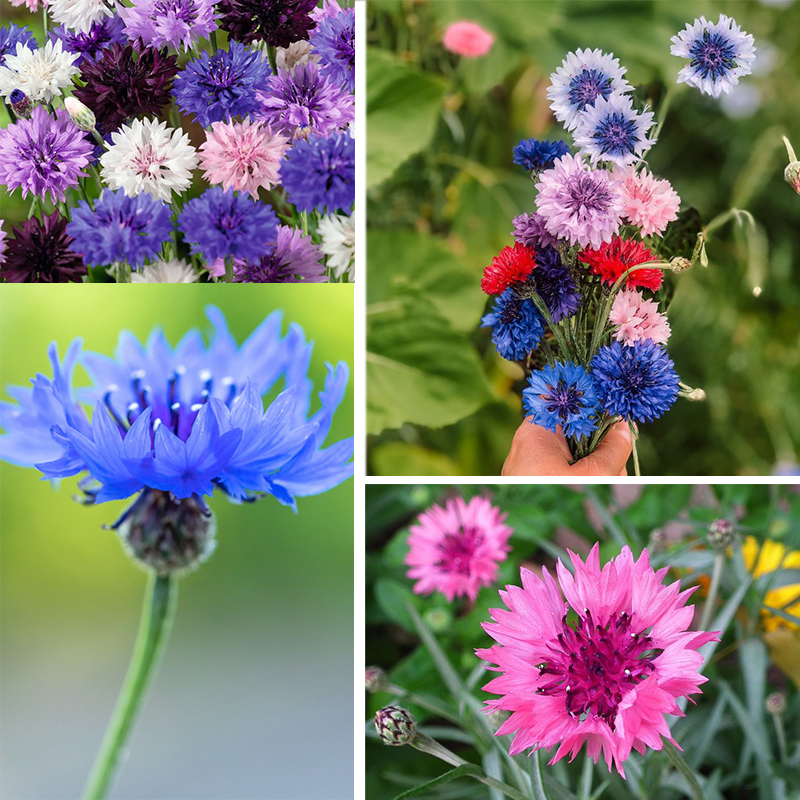
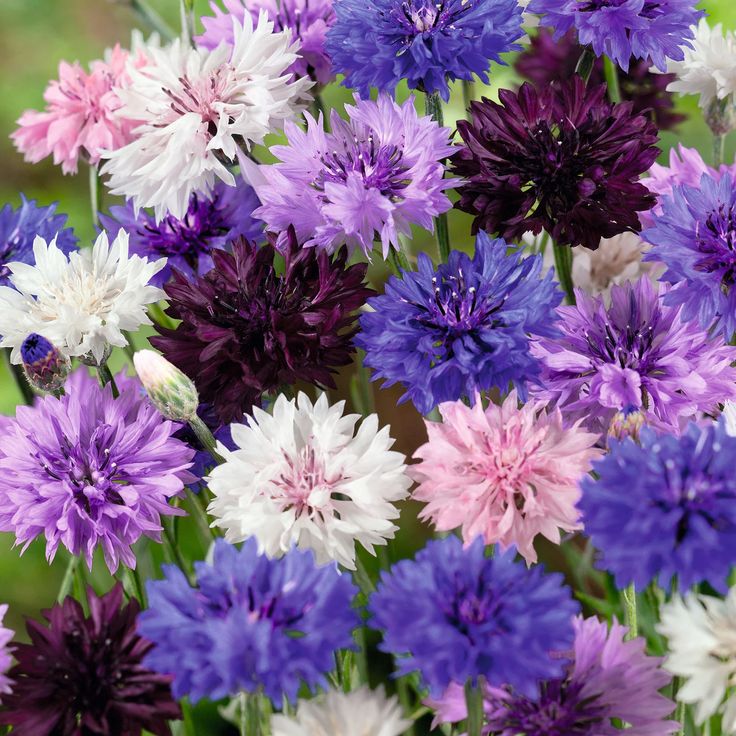
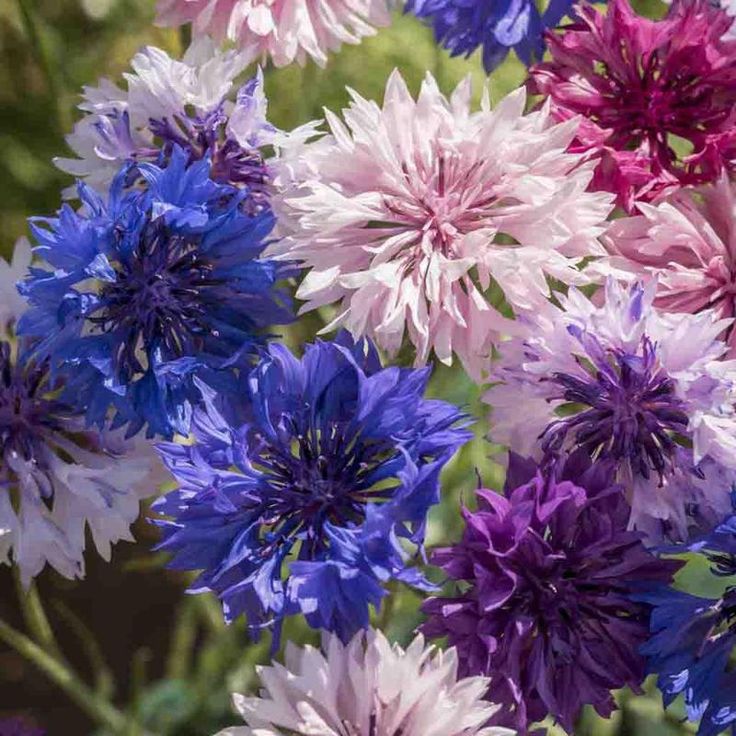
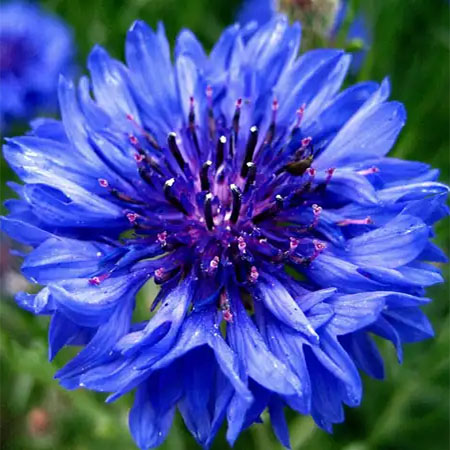
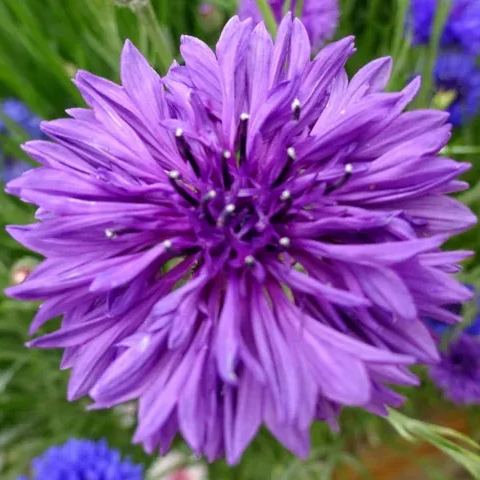
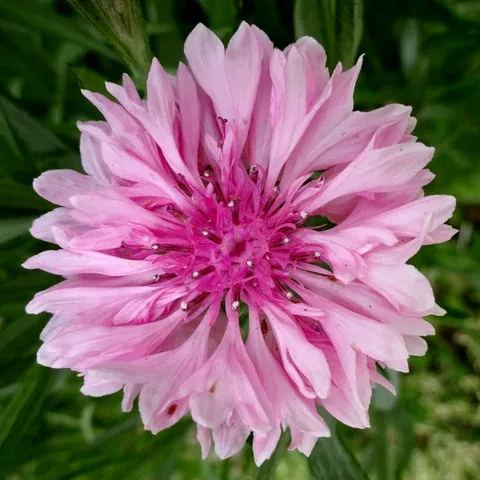
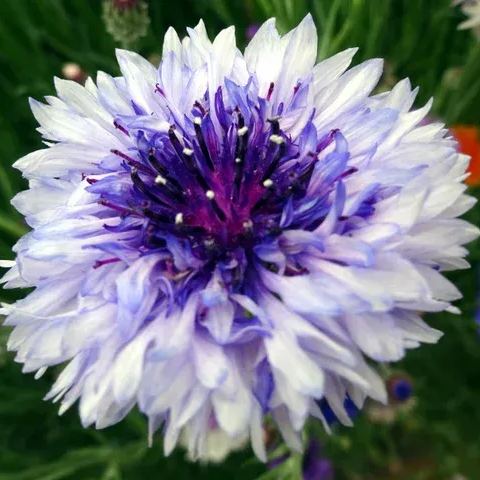
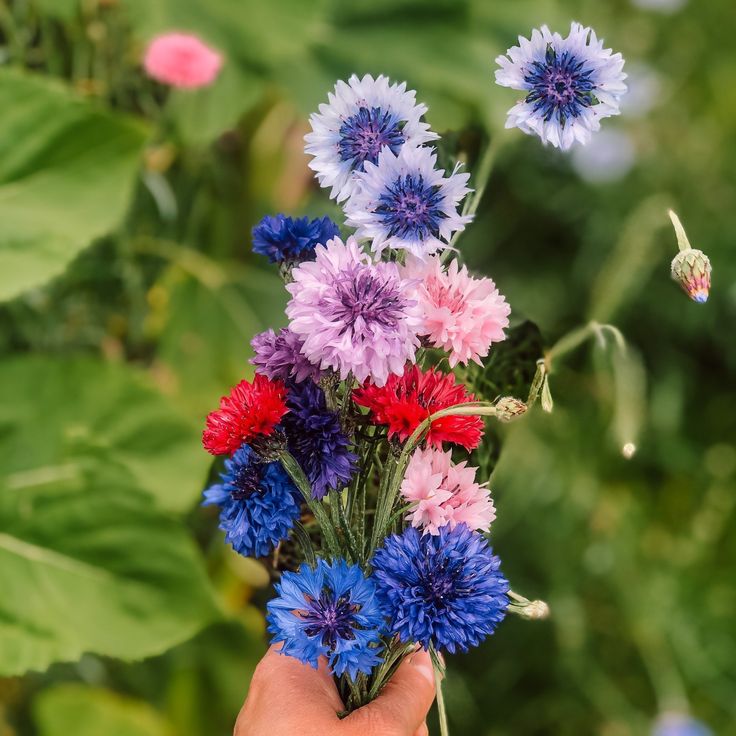
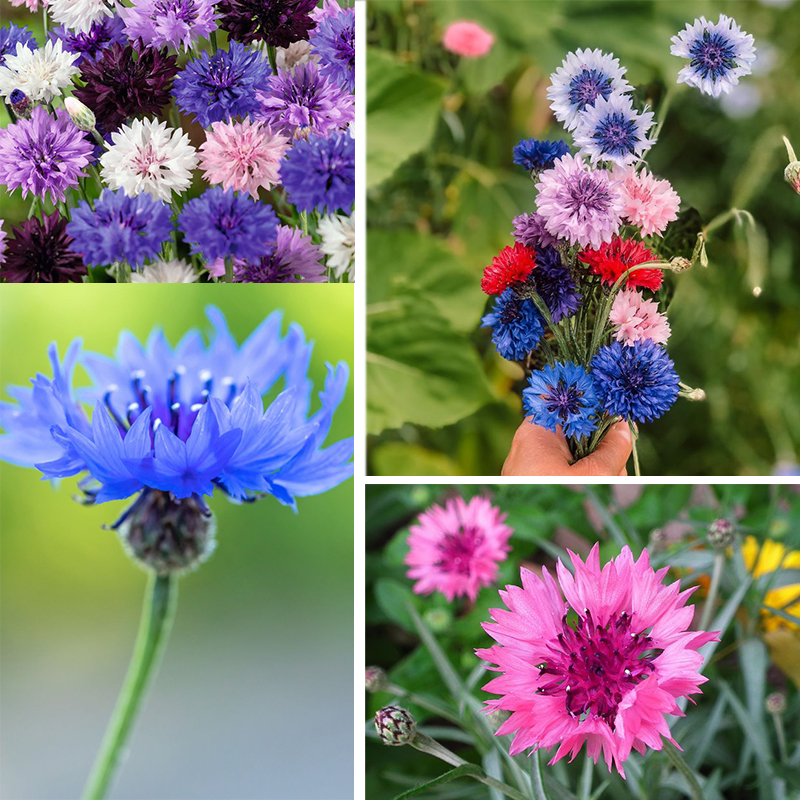
- Flower Characteristics: Cornflowers typically have blue flowers, but they can also be pink, white, purple, or other variations. The petals have a wavy edge, and there is a dark center spot in the middle of each flower.
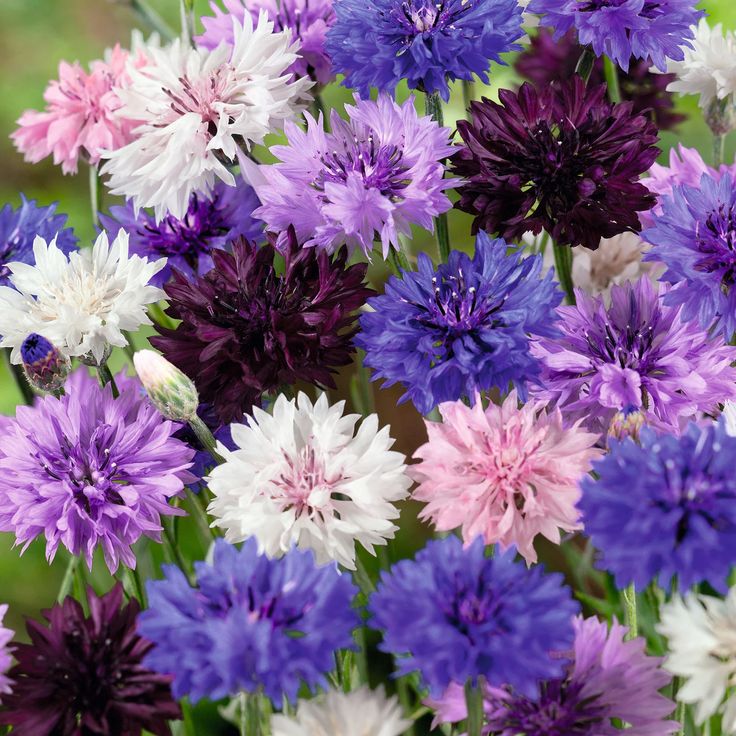
- Uses: The flowers of cornflowers are commonly used for floral decorations and cut flower arrangements. Additionally, cornflowers have some medicinal value and are believed to have benefits for eye health.
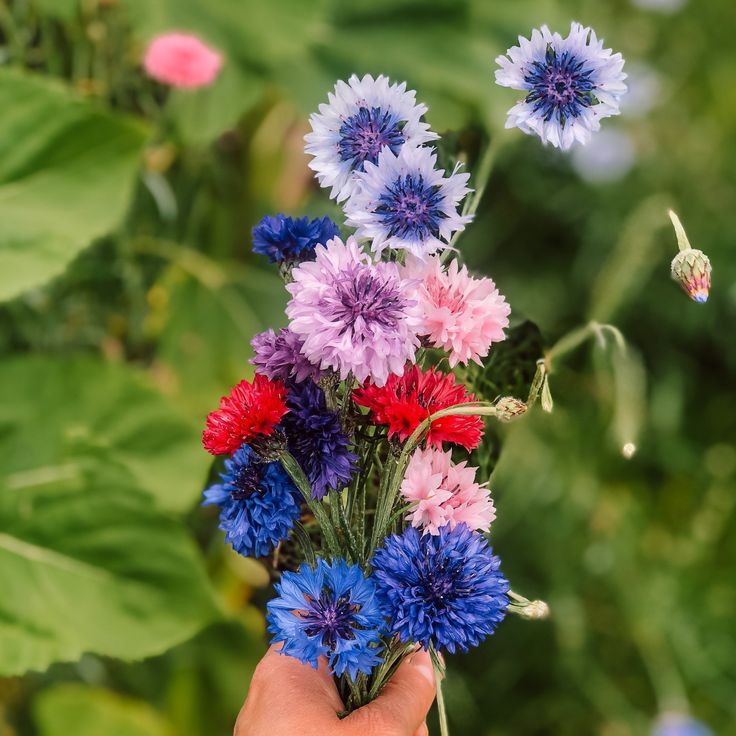
- Seeding: Cornflower seeds are easy to store and sow, making them popular in gardening and can be sown in spring, summer and fall.
Plant Morphology: Cornflowers usually reach a height between 30 cm and 90 cm. The plants are upright, with slender stems and narrow, feathery leaves.
- Flowering Period: Cornflowers typically bloom in the summer, from June to August. During this period, the plants produce beautiful flowers.
- Ecological Adaptability: Cornflowers exhibit good adaptability to different soil types and thrive in sunny environments. They can tolerate poor soils and dry conditions.
Note: Cornflowers generally do not require excessive fertilizers. A moderate amount of balanced fertilizer can be mixed into the soil before planting, but too much nitrogen fertilizer may lead to excessive leaf growth at the expense of flower quality.



 Emma, Olivia, and over 420K happy customers love it!